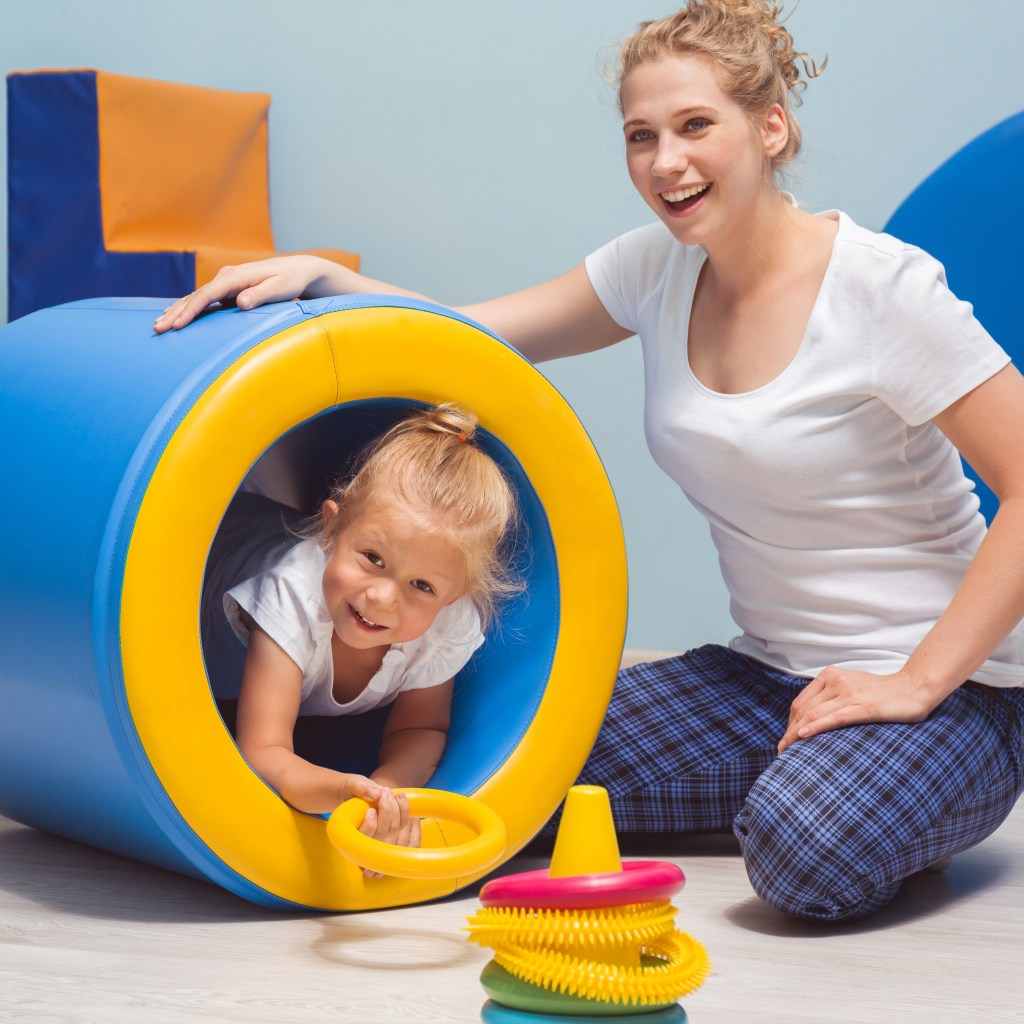
Paediatric Occupational Therapy: A Comprehensive Guide to Helping Your Child Thrive
Every child is unique. Their abilities, challenges, and ways of experiencing the world are one-of-a-kind, making the journey to help them thrive just as individual. Paediatric occupational therapy is a powerful tool that helps children gain the skills they need to succeed in daily life—whether that’s in school, at home, or on the playground. And here’s something remarkable: research shows that early intervention can significantly boost a child’s developmental progress by up to 50%!
In this article, we’ll explore specific, actionable strategies that you can apply in real-world settings. We’ll dig into the techniques occupational therapists use to support children in developing motor skills, improving sensory processing, and fostering independence. Whether you’re a parent, teacher, or therapist, this is your go-to guide for making a real impact on the children in your life.
What is Paediatric Occupational Therapy?
Paediatric occupational therapy (OT) is a specialised branch of therapy focused on helping children develop the necessary skills for daily activities. These activities can range from self-care tasks like getting dressed, to social participation, to fine and gross motor skills, which are essential for success in both school and life.
Occupational therapists work closely with children to identify areas where they’re struggling and to create a tailored programme aimed at fostering independence, enhancing motor skills, and improving overall quality of life. The goal isn’t just to teach skills—it’s to empower children and boost their self-esteem.
Who Can Benefit from Paediatric Occupational Therapy?
Children who may benefit from OT include those with:
- Developmental Delays: Some children may not reach age-appropriate milestones, such as walking, talking, or self-feeding, at the same time as their peers.
- Sensory Processing Issues: Kids with sensory processing difficulties may be overly sensitive to sounds, textures, or movements, or they may have trouble registering sensory input at all.
- Autism Spectrum Disorder (ASD): Children with autism often experience challenges with social interaction, communication, and repetitive behaviours. Occupational therapy helps in adapting and building these skills.
- Attention-Deficit/Hyperactivity Disorder (ADHD): OT can assist children with ADHD in learning focus and task completion skills.
- Physical Disabilities: Conditions such as cerebral palsy or muscular dystrophy often require support with movement, coordination, and daily living tasks.
- Mental Health Issues: Children struggling with anxiety, depression, or other mental health issues can also benefit from OT, which provides coping mechanisms and adaptive strategies.
Whether a child’s challenges are physical, cognitive, sensory, or emotional, occupational therapy can be transformative.
How Does Paediatric Occupational Therapy Work?
Occupational therapy follows a systematic approach, which usually includes:
- Initial Assessment: An occupational therapist will meet with the child and family to understand their needs, observe the child’s current skill levels, and identify specific challenges. This may include activities like drawing, moving, and even playing games to get a baseline of the child’s abilities.
- Goal Setting: Based on the assessment, the therapist will set realistic, specific goals. Goals may range from improving fine motor skills to enhancing sensory integration or social skills.
- Individualised Treatment Plan: The therapist will design a tailored programme that breaks each goal into achievable steps. Each therapy session will incorporate specific activities designed to work toward these goals.
- Regular Progress Tracking: Progress is continuously monitored and adjustments to the treatment plan are made as necessary. Parents and carers are encouraged to participate in this process, ensuring skills learned in therapy can be practised at home or school.
- Collaboration with Others: Paediatric occupational therapists often collaborate with other professionals, including teachers, speech therapists, assistive technology professionals, and physical therapists, to provide holistic support.
Key Techniques Used in Paediatric Occupational Therapy
Let’s dive into the most effective techniques that occupational therapists use to help children thrive.
1. Fine Motor Skills Development
Fine motor skills involve small movements, such as grasping objects or manipulating buttons and zips. Occupational therapists employ activities like:
- Pincer Grasp Games: Therapists use small objects like beads or buttons, asking the child to pick them up with thumb and forefinger to improve dexterity.
- Cutting Activities: Practising cutting along lines or around shapes with safety scissors helps strengthen hand muscles.
- Building with Small Blocks: Using building blocks or LEGO encourages precise hand movements and coordination.
2. Sensory Integration Therapy
For children who are hypersensitive or under-responsive to sensory input, occupational therapists use sensory integration techniques to help their nervous systems process and respond to sensory information. Examples include:
- Weighted Blankets: These can provide comforting pressure for children who crave touch input.
- Tactile Play: Activities like playing with sand, slime, or textured objects can help desensitise or engage children who have trouble processing touch.
- Movement Activities: Therapists may use swings, rocking chairs, or trampolines to help kids who struggle with balance and body awareness.
3. Social Skills Training
Social interaction is an essential part of child development. Occupational therapists work on building communication, sharing, and empathy skills through:
- Role-Playing Exercises: Therapists act out different scenarios to teach appropriate responses and help children learn social cues.
- Group Play Sessions: Children are encouraged to interact in small groups to practise turn-taking and other social behaviours.
- Visual Aids and Social Stories: Using pictures or storytelling helps children understand complex social situations and develop empathy.
4. Self-Care Skills Training
Teaching children to independently complete daily tasks—like dressing, brushing teeth, or using the toilet—is a critical part of OT. Some techniques include:
- Step-by-Step Guidance: Therapists break down complex tasks into smaller, manageable steps, encouraging kids to complete each step on their own.
- Adaptive Tools: Items like elastic shoelaces or button hooks can help children build self-reliance as they learn daily tasks.
- Visual Schedules: Using charts or visual reminders helps children understand routines, making tasks like dressing or packing a bag more manageable.
5. Cognitive Skills Training
Occupational therapists also focus on cognitive skills, helping children with focus, memory, and problem-solving. Activities include:
- Puzzles and Brain Teasers: These encourage children to think critically and develop patience.
- Structured Play: Games that require following rules, like card games, teach attention and impulse control.
- Mindfulness and Relaxation Techniques: Breathing exercises and guided imagery can improve focus and emotional regulation.
Paediatric Occupational Therapy and UK Legislation
In the UK, occupational therapy services for children are often supported through the NHS. Under the Children and Families Act 2014, children with special educational needs or disabilities are entitled to an Education, Health, and Care Plan (EHCP). This plan outlines specific needs and services required, including occupational therapy where necessary. Schools are legally obligated to accommodate these requirements, making it crucial for parents to be aware of their child’s rights.
Additionally, the Equality Act 2010 mandates reasonable adjustments for children with disabilities, ensuring they have equal access to education and other public services. Occupational therapy often plays a role in these adjustments, helping children gain access to appropriate resources and support in educational settings.
The Role of Parents and Carers in Paediatric Occupational Therapy
Parents and carers are key partners in the therapy process. Here’s how you can get involved:
- Practise at Home: Reinforcing skills learned in therapy by practising them at home can lead to quicker progress.
- Communicate Openly: Regular communication with the occupational therapist helps align goals and keeps everyone on the same page.
- Stay Positive: Celebrating small milestones along the way is incredibly motivating for children.
Finding the Right Paediatric Occupational Therapist
When looking for a paediatric occupational therapist, it’s essential to find someone who is not only qualified but also passionate about working with children. In the UK, occupational therapists must be registered with the Health and Care Professions Council (HCPC) to ensure they meet national standards.
At Creative OT, our team of dedicated paediatric occupational therapists is committed to helping your child thrive. We work closely with each family to create personalised treatment plans that make a difference. If you’re interested in learning how we can support your child, please reach out to us today. Let’s unlock your child’s potential—together.
Conclusion
Paediatric occupational therapy offers children the skills they need to succeed, thrive, and gain confidence in themselves. From developing motor skills to improving sensory processing and fostering independence, OT is a vital resource that empowers children to reach their full potential. Armed with the information in this guide, you’re now ready to take the next step for your child’s future. Whether you’re seeking support for developmental delays, sensory challenges, or daily living skills, occupational therapy can provide the boost your child needs.
For more information or to schedule a consultation, contact us at Creative OT. We’re here to help every step of the way.
This guide is here to empower you. By taking the right steps, you’re helping your child build a bright and independent future.